Why Coat Type Matters More Than Breed
If you’ve ever stood in the shower aisle wondering, “How often should I really be bathing my dog?” you’re not alone. It’s one of the questions we hear most at Walks and Wags, and the honest answer is: it depends on your dog’s coat, not just their breed name.
As Alabama’s first PACCC-certified pet care facility, we’ve spent two decades getting our hands (and clippers) into just about every coat type there is. So, consider this your family cheat sheet; the same guidance we’d give you if you were standing at our front desk on Azalea Road. Our goal isn’t just to send you home with a schedule. It’s to help you understand why your dog’s coat behaves the way it does so that you can make confident, informed decisions about their care for life.
Let’s break it down by coat type: short, long, and double.
Two dogs can be totally different breeds and need nearly identical grooming care, simply because they share a coat type. A Labrador and a Boxer are unrelated breeds, but they’re both short, single-coated dogs with very similar bathing needs. Meanwhile, a Labrador and a Golden Retriever look similar in temperament and size, but their coats need completely different routines because one is single-coated, and one is double-coated.
That’s why we always start with coat, not breed, when we build a grooming plan for a client’s dog.
Short-Coated Dogs
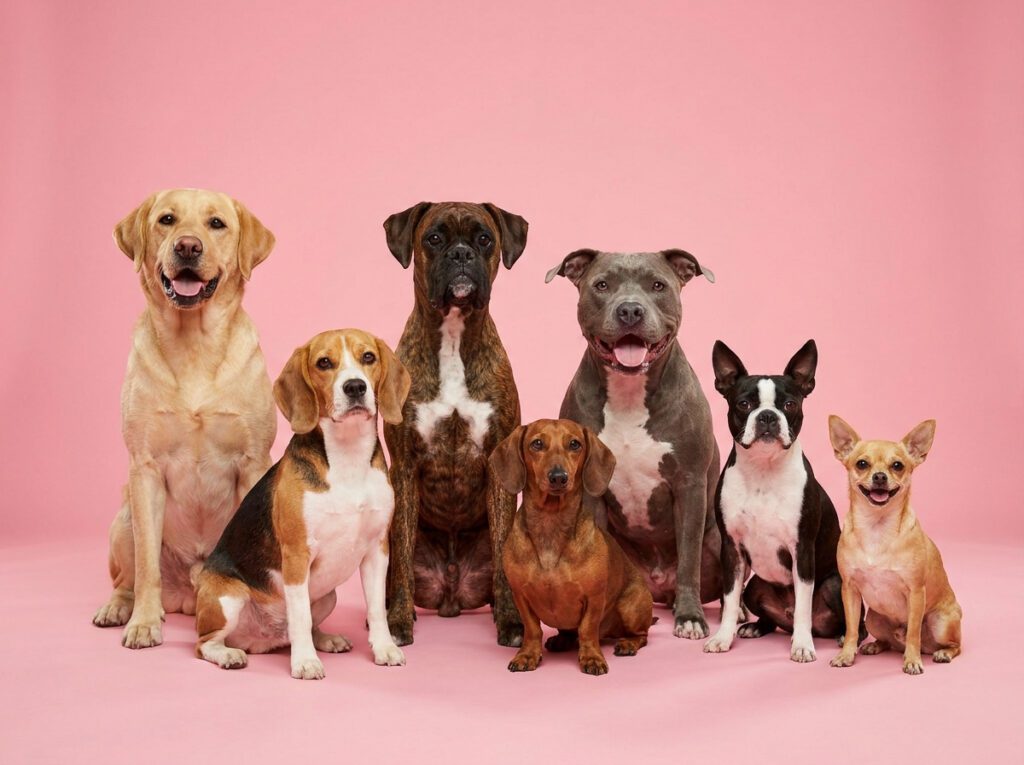
Examples: Labrador Retrievers, Beagles, Boxers, Dachshunds, Pit Bull-type dogs, Boston Terriers, Chihuahuas
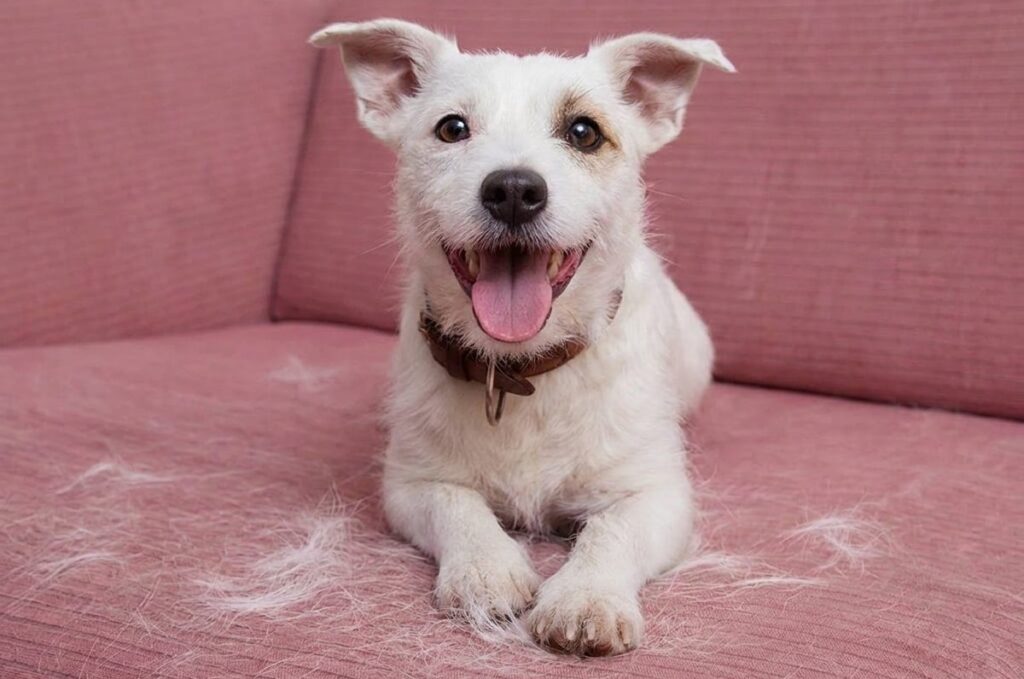
Short coats are the lowest maintenance in terms of brushing, but that doesn’t mean “no maintenance.” These dogs still shed, still produce natural oils that need balancing, and still benefit from routine care that keeps skin healthy underneath that sleek coat.
Brushing: 1–2 times per week with a rubber curry brush or grooming mitt. This removes loose hair before it ends up on your couch and stimulates the skin’s natural oil production.
Bathing: Every 4–6 weeks, or sooner if your dog has been swimming, rolling in something questionable, or has skin sensitivities. Over-bathing a short-coated dog can strip natural oils and lead to dry, flaky skin — so resist the urge to bathe too often just because it’s easy.
Professional grooming: Every 6–8 weeks for a bath, blow-dry, nail trim, and ear cleaning. Short coats don’t need haircuts, but they absolutely benefit from a professional DE shedding treatment, especially heading into spring and fall shedding seasons.
Nails and ears: Because these dogs are often high-energy and water-loving (looking at you, Labs), nail trims every 3–4 weeks and regular ear checks are essential, especially for floppy-eared breeds prone to moisture buildup.
Long-Coated Dogs
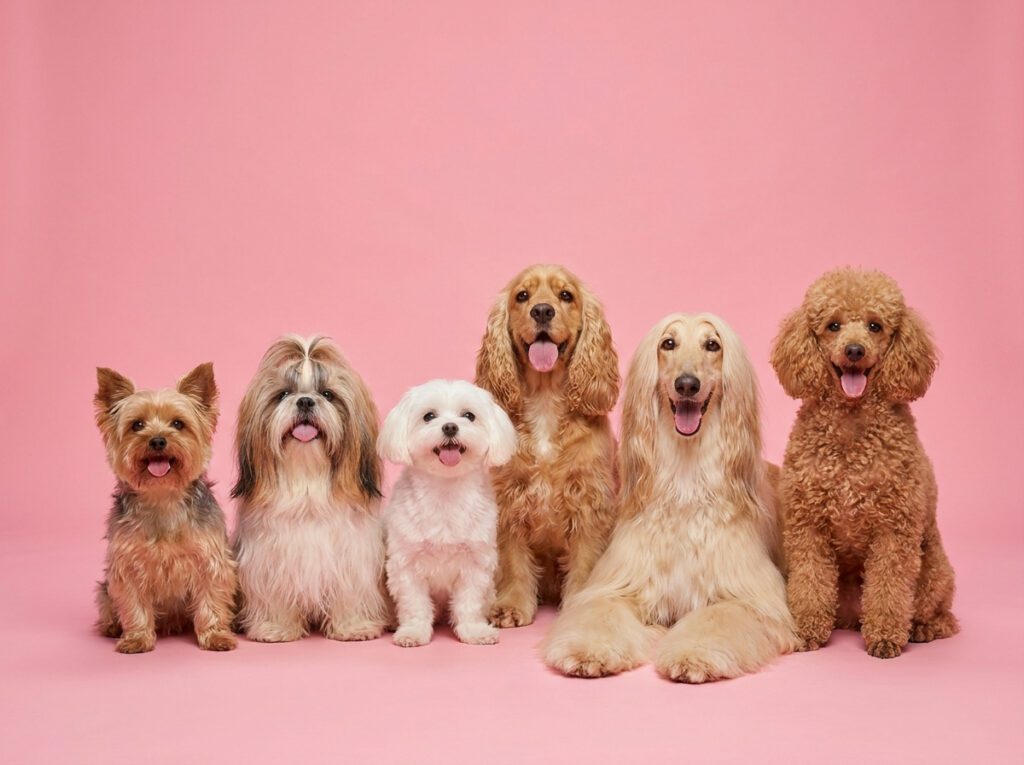
Examples: Yorkshire Terriers, Shih Tzus, Maltese, Cocker Spaniels, Afghan Hounds, Poodles
Long, single-layer coats are beautiful, and they are also the highest-maintenance coat type when it comes to preventing mats and tangles. A long coat doesn’t shed the way a double coat does; instead, loose hair gets trapped within the coat itself, which is exactly how mats form if you skip brushing.
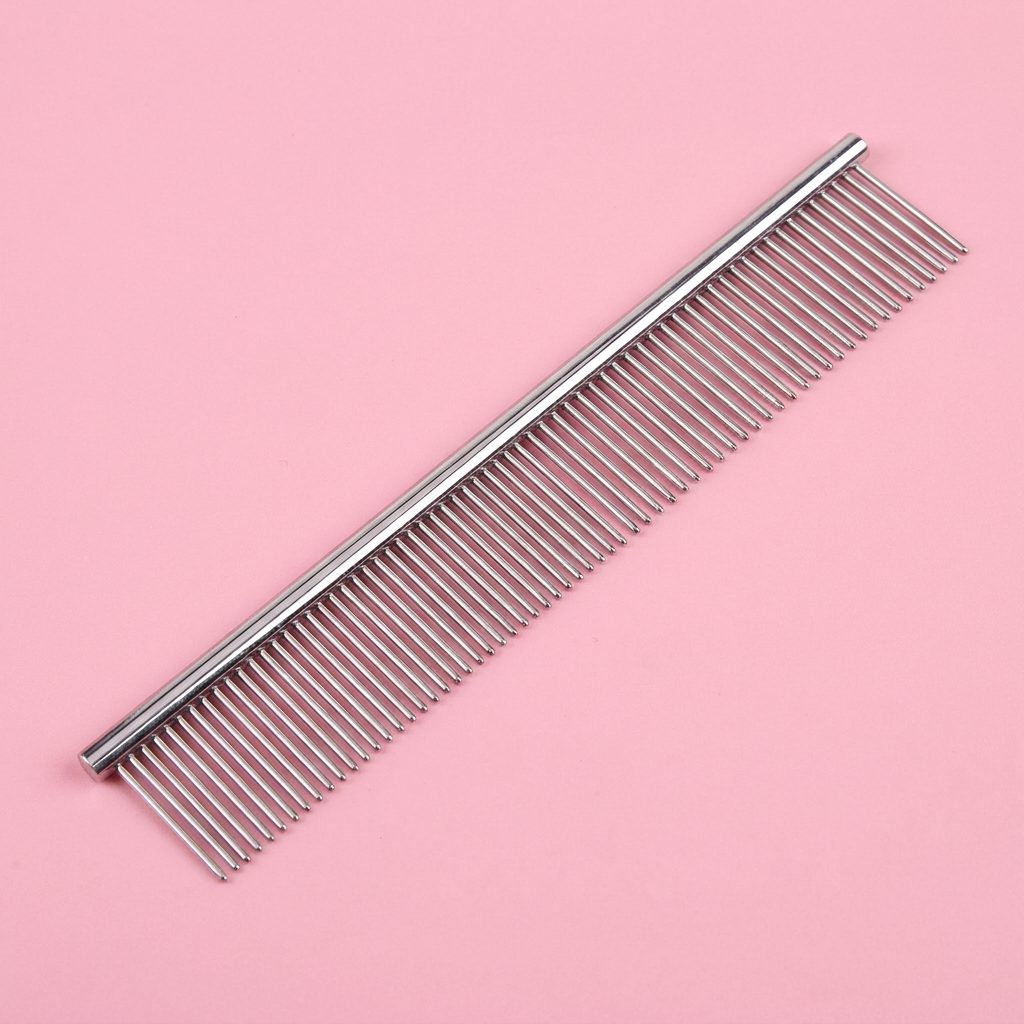
Brushing: Every single day, ideally with a slicker brush followed by a metal comb to check for hidden mats close to the skin (especially behind the ears, in the armpits, and around the collar line, the “friction zones”). Skipping even a few days can allow small tangles to snowball into painful mats that pull on the skin.
Bathing: Every 3–4 weeks. Long coats collect dirt and oil differently than short coats, and regular bathing with the right conditioner makes daily brushing easier, not harder.
Professional grooming: Every 4–6 weeks for a full groom: bath, blow-dry, haircut or trim, and a thorough mat check. If a mat has already tightened against the skin, please don’t try to cut it out at home; this is one of the most common reasons for accidental nicks. Bring your dog in and let a professional assess it safely.
A gentle truth: If a long coat becomes severely matted, a full shave-down may be the kindest option for your dog’s comfort, even though it’s not the look anyone wants. This is exactly why we say daily brushing isn’t optional for these breeds; it’s the difference between routine maintenance and a rescue mission.
Double-Coated Dogs
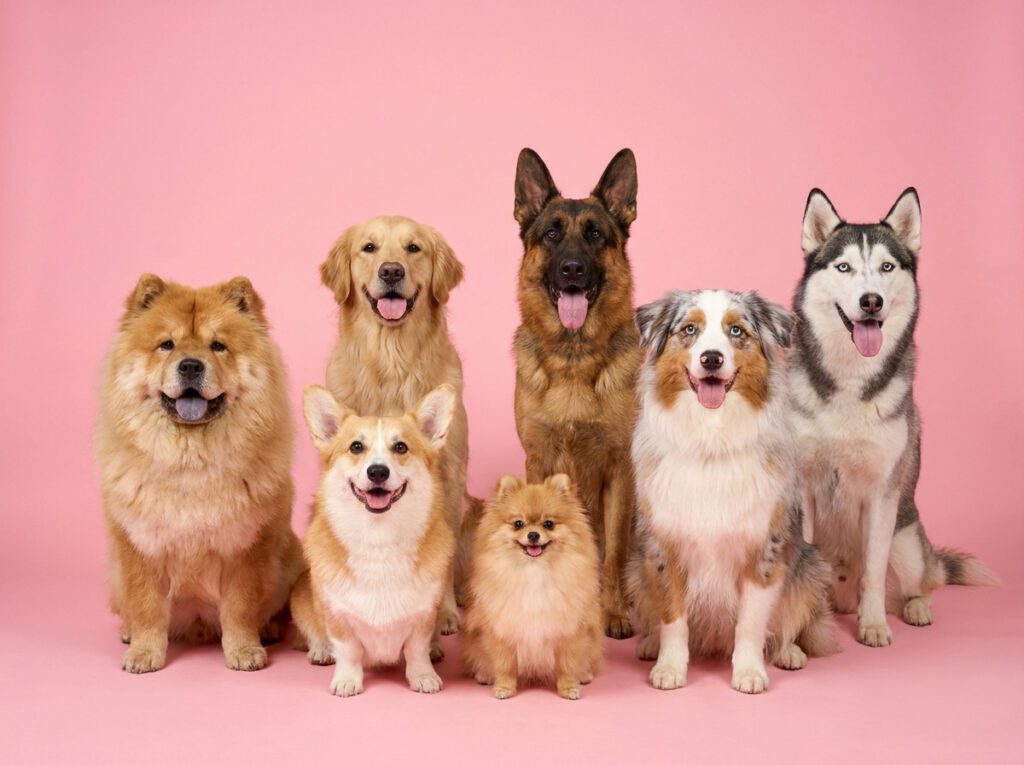
Examples: Golden Retrievers, German Shepherds, Siberian Huskies, Corgis, Australian Shepherds, Chow Chows, Pomeranians
Double coats are a different animal entirely (pun intended). These dogs have a soft, insulating undercoat and a coarser topcoat working together to regulate body temperature, keeping them warm in winter and, surprisingly, cool in summer. This is the single most misunderstood coat type, so let’s clear up the biggest myth first.
Please don’t shave a double-coated dog to “help them stay cool.” The undercoat actually insulates against heat, and shaving it can damage the hair follicles permanently, sometimes leading to uneven or patchy regrowth. It can also remove the natural protection against sunburn. If your double-coated dog needs a summer refresh, ask your groomer for a DE shedding treatment instead of a shave-down; you’ll get the cooling benefit without the risk.
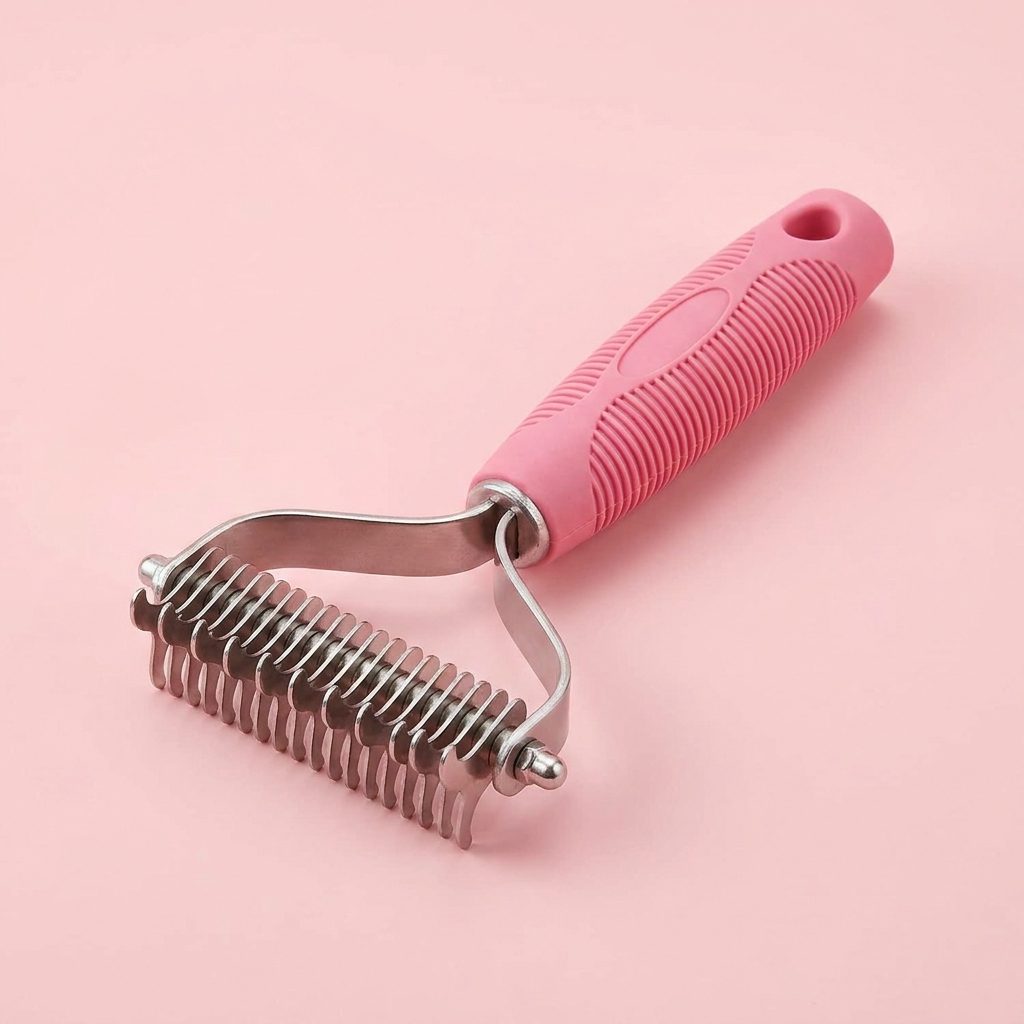
Brushing: 2–3 times per week year-round, ramping up to daily during seasonal “coat blow” (typically spring and fall) when the undercoat sheds heavily in preparation for the new season. A slicker brush plus an undercoat rake makes a real difference here; regular pin brushes mostly catch the topcoat and miss the loose undercoat underneath.
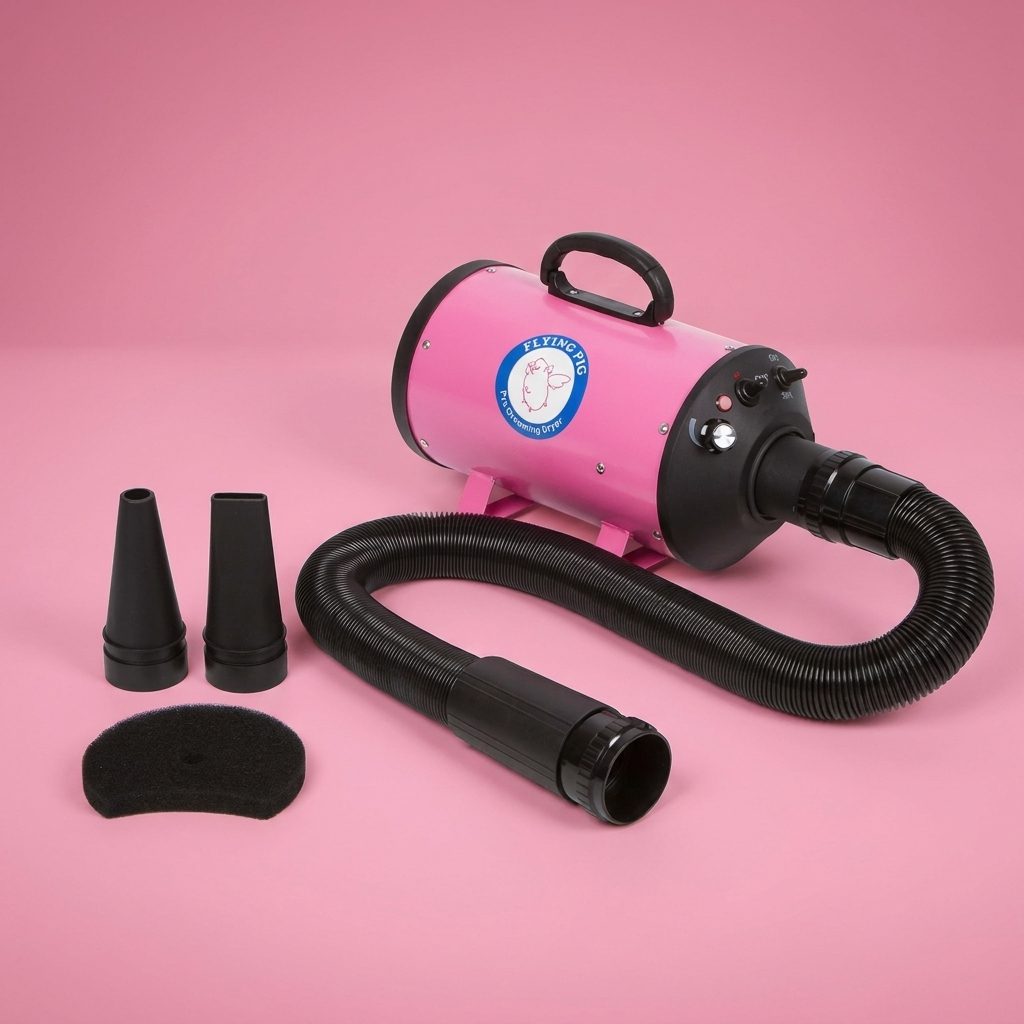
Bathing: Every 6–8 weeks or timed around seasonal shedding to help loosen and remove the blown coat faster. Professional grooming: Every 6–8 weeks for a bath and a professional DE shedding service (not a haircut). A high-velocity dryer, which most home setups don’t have, is genuinely the most effective tool for pulling loose undercoat out safely and thoroughly.
Quick Reference: At-A-Glance Grooming Schedule
| Coat Type | Home Brushing | Bathing | Professional Groom |
| Short (Labs, Beagles, Boxers) | 1–2x/week | Every 4–6 weeks | Every 6–8 weeks |
| Long (Shih Tzus, Yorkies, Maltese) | Daily | Every 3–4 weeks | Every 4–6 weeks |
| Double (Goldens, Huskies, Shepherds) | 2–3x/week (daily during shedding season) | Every 6–8 weeks | Every 6–8 weeks |
A Few Facts Every Dog Parent Should Know
- Shedding is not a groomer problem you can “fix” once; it’s an ongoing coat health relationship. Consistent brushing between professional visits will always outperform an occasional deep groom.
- Diet affects coat quality. A dull, brittle, or excessively shedding coat is sometimes the first visible sign of a nutritional gap or an underlying health issue worth mentioning to your vet.
- Nail length affects gait. Regardless of coat type, nails that touch the ground when your dog is standing are too long and can affect posture and joint health over time. We recommend trims every 3–4 weeks for most dogs.
- Ears deserve attention on every coat type, but especially for floppy-eared or water-loving dogs, since trapped moisture is the number one cause of ear infections we see.
Why We Do It Differently at Walks and Wags
Here’s the thing about grooming schedules: they only work if your dog actually feels safe during the process. That’s the philosophy behind our Enrichment Grooming approach: we earn your dog’s trust first, so every visit feels calm and respectful instead of forced. A nervous dog who’s held down for a haircut doesn’t just have a bad afternoon; they build a lasting negative association that makes every future groom harder.
Whether your pup needs a quick Bubbly Bath, a Full Groom, a DE shedding session before spring, or a nail trim, we’ll help you build a schedule around your dog’s actual coat needs, not a generic calendar.
And if your dog also happens to love the water, don’t forget a swim in Mobile’s only indoor heated beach access dog pool pairs beautifully with a grooming visit. Tired, clean, and happy is pretty much our love language around here.
Our Grooming Toolkit
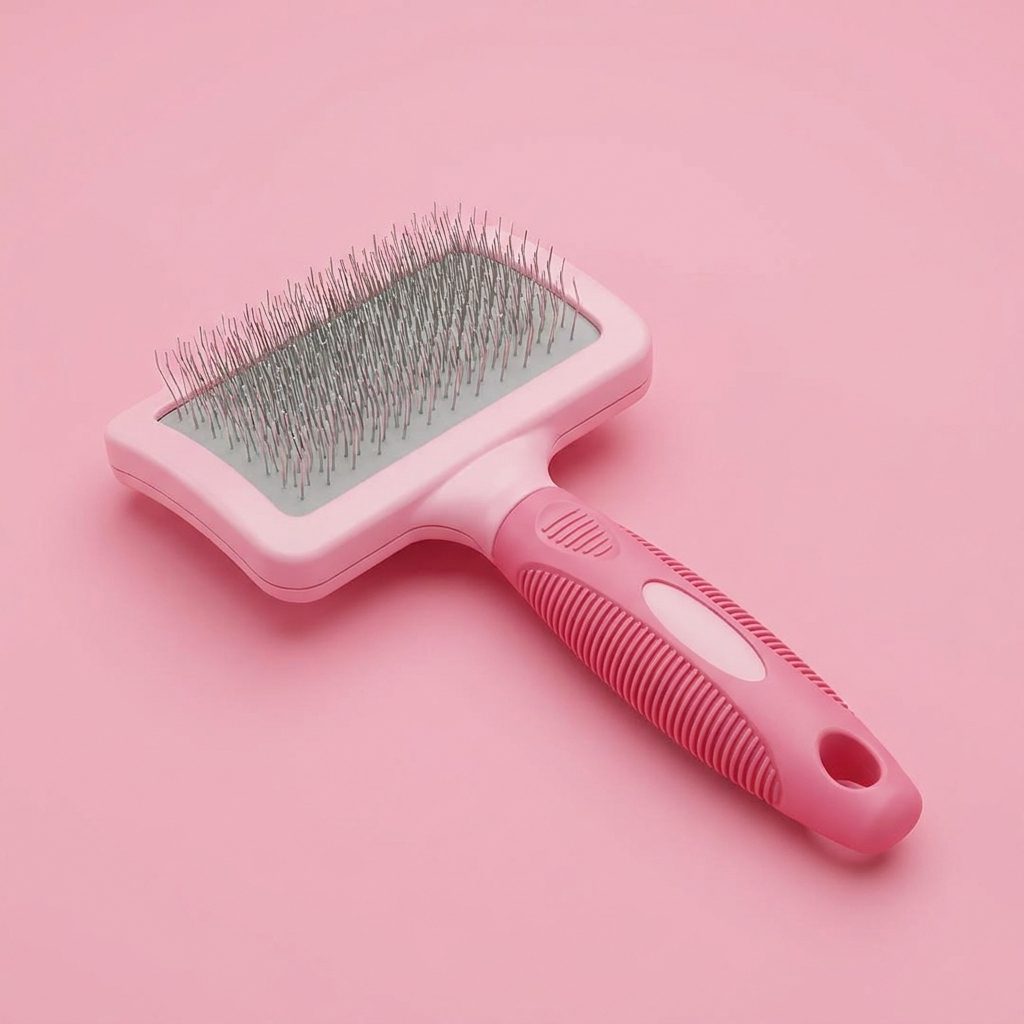
Slicker Brush
Undercoat rake